Side Return Extension Ideas and What They Cost
Side Return Extension Ideas and What They Cost
A side return extension is one of the most transformative things you can do to a Victorian or Edwardian terraced house, because it turns dead space into the room the house was always missing. It fills in the narrow alley, the “side return”, that runs alongside the original back room, and it usually converts a dark, cramped galley kitchen into a wide, light kitchen-diner that spans the full width of the house. This guide explains what a side return extension actually is, the design ideas that make it work, what drives the cost, and when you need planning permission.
What a side return extension is
Most Victorian and Edwardian terraces have an L-shaped footprint at the back: the main house, with a narrower “rear addition” or “outrigger” sticking out behind it, and a strip of outdoor space running down one side of that outrigger. That strip, typically only around 0.9 to 1.5 metres wide, is the side return. A side return extension (sometimes called an infill extension) roofs over and builds into that alley, squaring off the ground floor.
The width you gain sounds modest, but because it runs the depth of the rear addition, it changes the room completely. A pokey kitchen suddenly becomes a broad, open space, and the awkward dog-leg at the back of the house disappears.
The best side return extension ideas
The space you unlock is defined by light, because you are building into a strip that used to be one of the few sources of daylight. Good design is mostly about putting that light back and then some.
- A kitchen-diner across the full width. The classic use. The enlarged footprint takes the kitchen, while the original rear room becomes a dining or living area. Plan the whole ground floor as one space rather than treating the extension as a bolt-on.
- A roof lantern or glazed roof. Because the extension sits against a boundary wall, overhead glazing is the best way to flood the new depth with light. A roof lantern or a run of rooflights over the side return transforms how bright the room feels.
- An island. The extra width is often just enough to make a kitchen island practical, giving you prep space, storage and a natural divide between cooking and dining.
- Bifold or Crittall-style doors to the garden. Full-width glazed doors at the rear pull in light and connect the kitchen to the garden, making a small terrace feel much larger.
- Combine it with a rear extension. If your budget and plot allow, wrapping the side return infill together with a rear extension creates a full “wraparound” and the biggest possible open space.
What drives the cost
Costs for a side return vary enormously, so rather than a headline figure, it helps to understand what actually moves the price. Get quotes from several builders on your specific design, and weigh these factors.
Access. This is the big one for terraces. There is often no side or rear access, so materials and spoil have to be carried through the house, and machinery is limited. Poor access slows the build and pushes up labour, and it is the single reason terraced extensions can cost more than a similar job on a detached house.
Size and design complexity. A simple squared-off infill is cheaper than a complex design. Structural glass roofs, frameless glazing and bespoke joinery all add cost over a standard brick build with a roof lantern.
Glazing choices. Overhead and full-width glazing is where money goes. Standard aluminium-framed rooflights and bifolds cost less than structural or frameless glass, so the specification of the glass drives a big part of the budget.
Work to the existing house. The extension rarely stands alone. You will usually be refitting the kitchen, redecorating the adjoining room and making good where old and new meet, and that fit-out is a real slice of the total.
Professional and legal fees. Budget for an architect or designer, structural engineer, building control, and the party wall process below. These are not optional extras; they are part of doing it properly. Our guide on how to choose a builder covers getting comparable quotes so you are not comparing apples with oranges.
Planning permission and the legal bits
Many side return extensions fall under permitted development, meaning no full planning application is needed, provided you stay within the limits: single storey, no more than four metres high, and not extending beyond the rules for depth and width set out by the Planning Portal. If your home is in a conservation area, a listed building, a National Park or an Area of Outstanding Natural Beauty, those permitted development rights are usually restricted or removed, so you will need planning permission even for a modest infill. Always check with your local planning authority before you assume; a quick lawful development certificate application gives you certainty in writing.
Two more legal points catch people out. First, the Party Wall etc. Act: because a side return is built right up against the boundary, you almost always have to serve a formal Party Wall Notice on the neighbour you share that wall or boundary with, and reach agreement before work starts. Second, building regulations apply regardless of whether you need planning permission, covering structure, insulation, drainage and glazing. Factor both into your timeline, because the party wall process in particular can take weeks.
Is a side return extension worth it?
For the right house, it is one of the best-value ways to add usable, light-filled living space and, done well, it tends to add value to a terraced home. The keys are a design that maximises light, a realistic budget that accounts for difficult access, and getting the planning and party wall groundwork sorted before you break ground. Get detailed quotes on your actual drawings rather than relying on ballpark figures, and check current costs with local builders before committing.
Frequently asked questions
What is a side return extension? A side return extension fills in the narrow strip of outdoor space, usually around 0.9 to 1.5 metres wide, that runs alongside the rear addition of a Victorian or Edwardian terraced or semi-detached house. Building into and roofing over that alley squares off the ground floor, most often to turn a cramped galley kitchen into a wide, light kitchen-diner spanning the full width of the house.
Do I need planning permission for a side return extension? Often not, because many side return extensions fall under permitted development if they stay single storey, within height and size limits, and are not on a protected property. However, homes in conservation areas, listed buildings and National Parks usually lose those rights and need full planning permission. Always confirm with your local planning authority, ideally with a lawful development certificate, before starting.
How much does a side return extension cost? It varies widely with size, design, glazing and, crucially, access, which is often poor on a terrace and pushes up labour. Structural glass roofs and bespoke joinery add cost over a standard brick build with a roof lantern, and you also pay for refitting the adjoining kitchen and professional fees. Get detailed quotes from several builders on your specific drawings rather than relying on averages.
Do I need a party wall agreement for a side return extension? Almost always, yes. Because a side return extension is built right up against the boundary with your neighbour, the Party Wall etc. Act usually requires you to serve a formal Party Wall Notice and reach agreement before work begins. This can take several weeks, so start the process early. A party wall surveyor can handle the notices and any award if your neighbour does not simply consent.
Is a side return extension worth it? For a terraced or semi-detached house with a dark, narrow kitchen, it is often excellent value, because it creates a much larger, brighter living space and can add value to the property. The gain in usable space far outweighs the modest width added. Success depends on a light-focused design, a budget that allows for difficult access, and getting planning and party wall matters right first.
More from Sareth Build Journal
Keep reading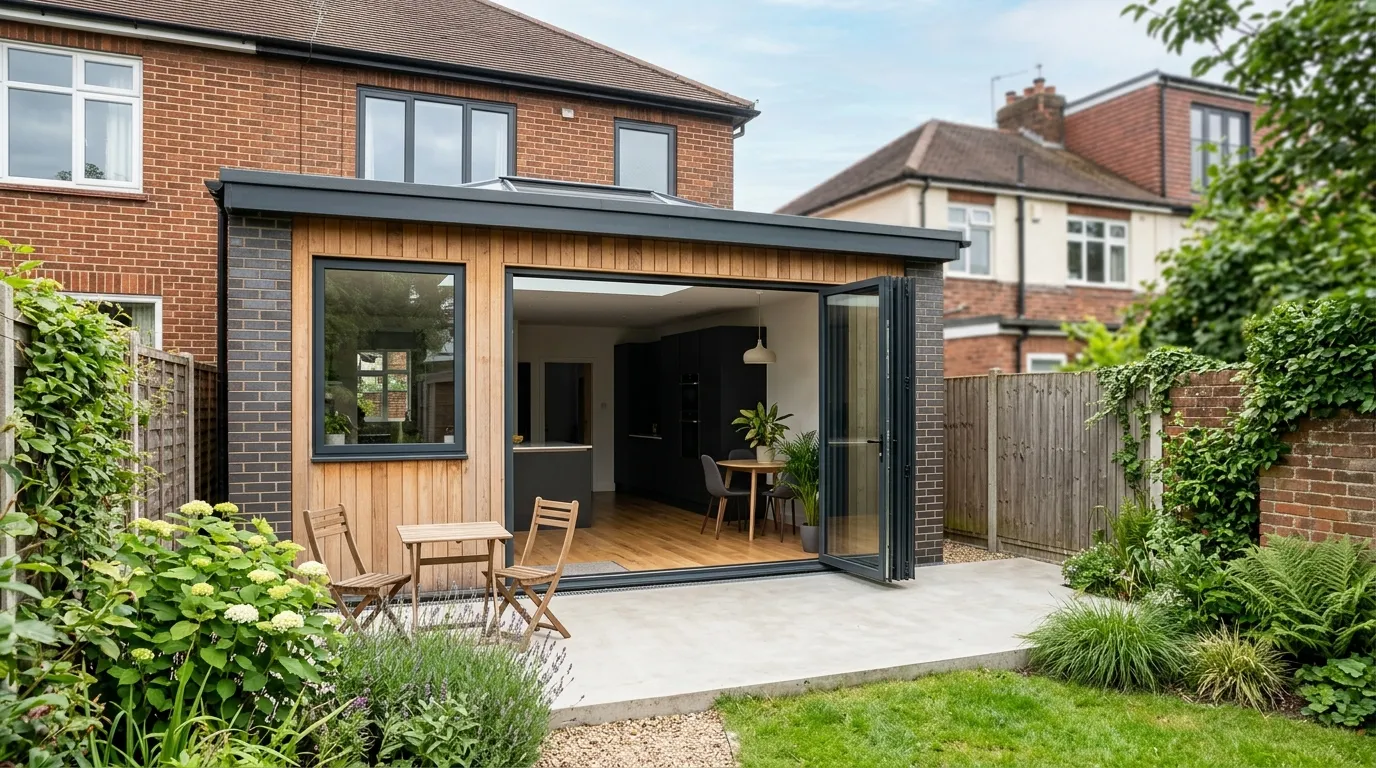
Do You Need Planning Permission for an Extension? Permitted Development Limits Explained
Do I need planning permission for an extension? Often no, thanks to permitted development. Here are the exact UK size limits, rules and exceptions.
Read entry
How to Serve a Party Wall Notice: Step-by-Step Template and Timeline
How to serve a party wall notice in the UK: the steps, a free template, exact notice periods and the timeline from service to award.
Read entry
Planning Permission Refused: Your Options for Appeal and Resubmission
Planning permission refused? What to do next: read the refusal reasons, fix and resubmit a revised scheme, or appeal to the Planning Inspectorate.
Read entry