How to Choose and Vet a Builder: Contracts, Quotes and Red Flags
Knowing how to choose a builder is the difference between an extension that finishes on time and one that turns into a dispute, a half-built shell and a solicitor’s letter. The building trade is unregulated in the UK, which means anyone can call themselves a builder, so the responsibility to check falls on you. The good news is that vetting a builder properly is not complicated; it is a short list of verifiable facts and a couple of documents. Skip them and you are gambling. This guide walks through exactly what to check, how to compare quotes, and the red flags that should end the conversation.
Before you even start looking, it helps to know your project inside out. Our house extension guide and the breakdown of hidden extension costs will make you a sharper buyer.
Verify the basics, do not take them on trust
Start by checking the things a builder should be able to prove on paper. A logo on a van or a website means nothing on its own, because those can be copied. Verify everything at source.
- Trade body membership. Membership of the Federation of Master Builders or a TrustMark registered business is a genuine signal, because those members are independently vetted and their work is inspected. TrustMark is government-endorsed. Crucially, search the official directory by the builder’s name rather than trusting a badge; the directory cannot be faked.
- A registered business. Look them up. A traceable company with a history is safer than a name and a mobile number.
- Insurance. Ask for a current public liability insurance certificate, with £2 million cover as a sensible minimum and £5 to £10 million for larger jobs, plus employer’s liability if they have staff. Check the dates are current.
- References and reviews. Ask for at least three contactable references from recent, similar projects, and actually phone them. Consistent, specific reviews across independent platforms matter more than a handful of glowing testimonials on the builder’s own site.
Get quotes that you can actually compare
A price scribbled on the back of an envelope tells you nothing. Ask each builder for a detailed written quote that breaks down labour, materials, and any provisional sums, so you can see what is and is not included. Get at least three.
When you compare them, do not simply pick the cheapest. A quote well below the others usually means something is missing from the scope, or that “extras” will appear later. Look for the quote that is clearest about the scope of work and the assumptions behind it. If one builder has understood your project and priced the awkward details, and another has given a suspiciously round number, the detailed one is usually the safer bet even if it costs more. For context on what a realistic figure looks like, see our guide to single-storey extension costs.
Always use a written contract
Never agree to building work on a handshake. A written contract protects both sides and is the single most effective way to avoid disputes. Use a proper building contract such as the JCT Minor Works or the FMB’s own contract, both industry standards, rather than an informal letter.
The contract should set out the scope of work, the total price, a payment schedule tied to completed stages, the start and expected finish dates, who supplies materials, and what happens if the work changes or is delayed. Agreeing this in writing before anyone lifts a trowel is what gives you something to fall back on if things go wrong.
Payment terms: protect your money
How you pay is as important as how much. The rules of thumb:
- Deposits. Never pay more than 10 to 15 percent upfront. A builder demanding 50 percent or more before starting is a serious red flag.
- Stage payments. Pay in instalments that follow completed, inspected stages of work, not on a calendar. This keeps the builder motivated and your money tied to progress.
- Paper trail. Pay by bank transfer so there is a record. A builder who insists on cash only makes payments hard to trace and disputes hard to resolve.
Hold a small final payment back until the work is genuinely finished and signed off, including any snagging.
The red flags that should end it
Some warning signs are worth walking away over, however plausible the person seems:
- Pressure to decide quickly, or a discount that expires today. Reputable builders do not rush you.
- Cash-only requests or reluctance to provide a written quote or contract.
- Large upfront deposits before any work or materials are secured.
- No verifiable insurance, no traceable business, or references they are evasive about.
- A quote far cheaper than everyone else with no explanation.
- Vague answers about building regulations or who will handle building control sign-off.
Any one of these on its own is a reason to pause. Two or more together, and you should keep looking.
Before work starts
Once you have chosen your builder, tie up the loose ends: confirm the contract is signed, insurance is current, and you both understand who is arranging inspections and approvals. If your project affects a shared wall, you may also need to serve a party wall notice before work begins. Getting these right at the outset is far easier than untangling them mid-build.
Choosing a builder well is mostly about refusing to skip the boring checks. The builders worth hiring expect to be vetted and will happily provide the paperwork. The ones who bristle at it are telling you something.
Frequently asked questions
How do I check if a builder is legitimate in the UK? Verify them at source rather than trusting badges or a website. Search the official Federation of Master Builders or TrustMark directory by name, confirm they are a registered, traceable business, ask for a current public liability insurance certificate, and phone at least three references from recent similar projects. Legitimate builders expect these checks and provide the documents readily.
How many quotes should I get from builders? Get at least three detailed written quotes so you can compare like for like. Each should break down labour, materials and any provisional sums. Do not automatically choose the cheapest, as an unusually low quote often means something is missing from the scope and will reappear as an extra charge later.
How much deposit should I pay a builder? Never pay more than 10 to 15 percent of the total upfront. After that, pay in stage payments tied to completed and inspected work rather than by date. A builder demanding 50 percent or more before starting is a major red flag, and you should pay by bank transfer to keep a record.
Do I need a contract with my builder? Yes, always. Never rely on a handshake. Use a proper building contract such as JCT Minor Works or the FMB contract, setting out the scope, price, payment schedule, dates and what happens if the work changes. A written contract protects both parties and is your main protection if a dispute arises.
What are the biggest red flags when choosing a builder? The clearest warning signs are pressure to decide quickly, cash-only payment requests, refusal to provide a written quote or contract, large upfront deposits, no verifiable insurance or traceable business, and a quote far cheaper than everyone else with no explanation. Any of these should make you pause and keep looking.
More from Sareth Build Journal
Keep reading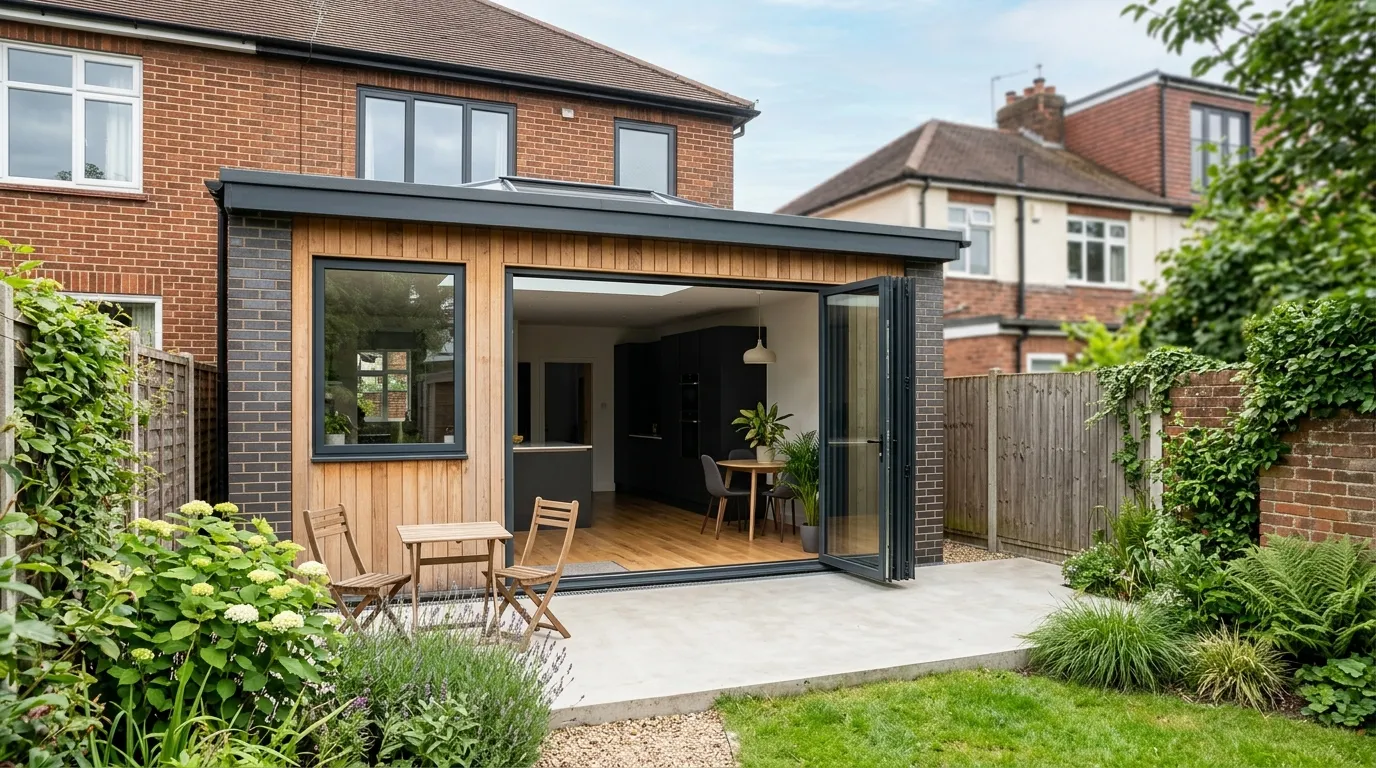
Do You Need Planning Permission for an Extension? Permitted Development Limits Explained
Do I need planning permission for an extension? Often no, thanks to permitted development. Here are the exact UK size limits, rules and exceptions.
Read entry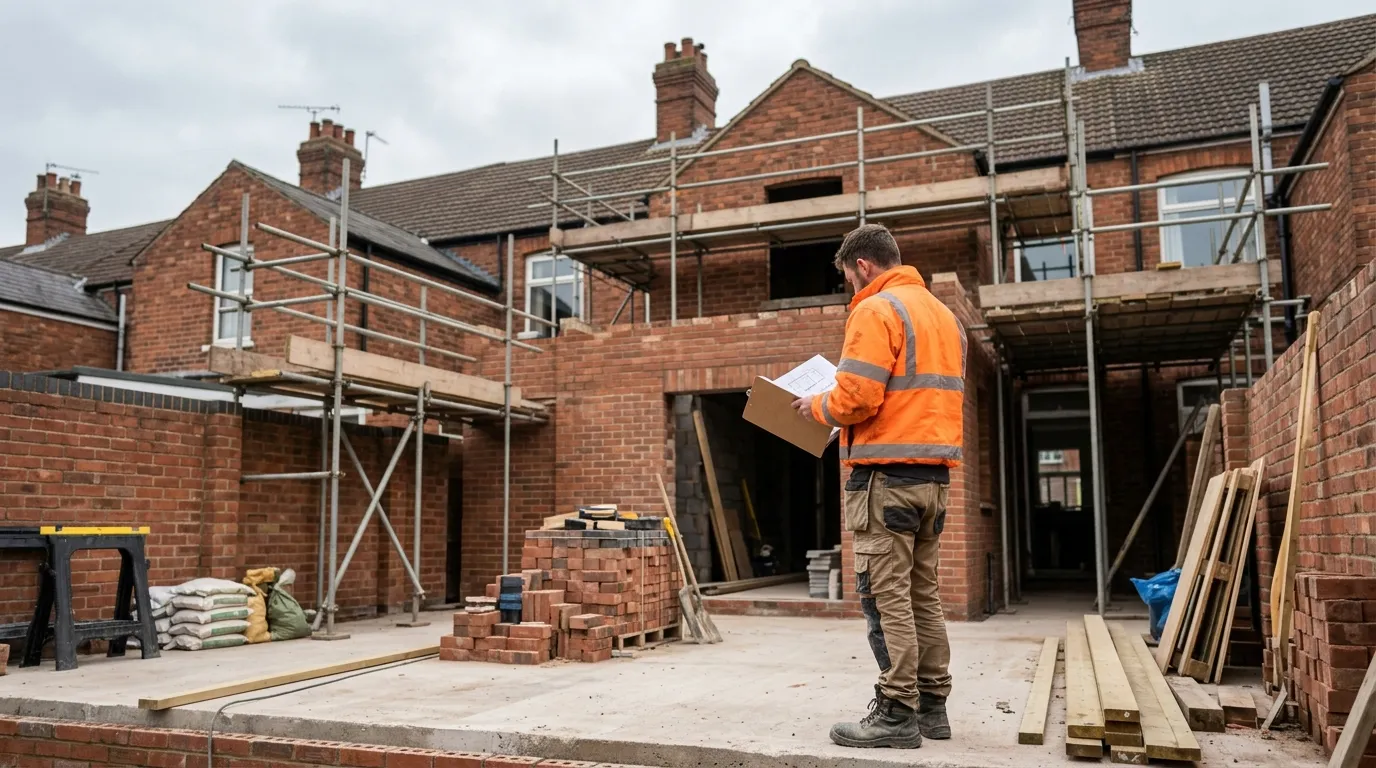
How to Serve a Party Wall Notice: Step-by-Step Template and Timeline
How to serve a party wall notice in the UK: the steps, a free template, exact notice periods and the timeline from service to award.
Read entry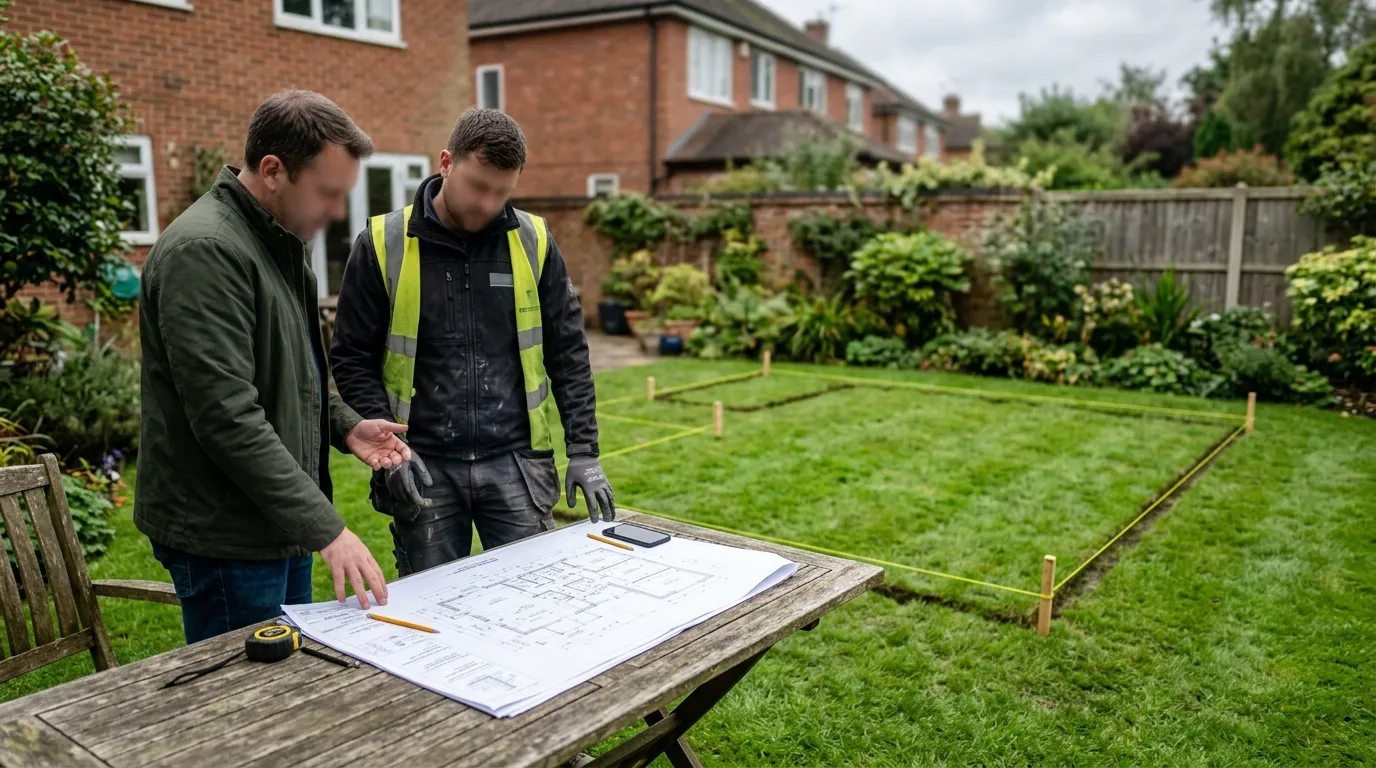
Planning Permission Refused: Your Options for Appeal and Resubmission
Planning permission refused? What to do next: read the refusal reasons, fix and resubmit a revised scheme, or appeal to the Planning Inspectorate.
Read entry