Home Building News: July 2026
The turn of the month brought a bigger heat pump grant for off-grid homes, fresh figures showing material prices still climbing, another hold on the base rate and a small pickup in house prices. Here is what happened between roughly 18 June and 2 July, and what each story means if you are planning an extension or renovation.
Off-grid homes get a bigger heat pump grant, worth £9,000
On 26 June the government confirmed that the Boiler Upgrade Scheme grant is rising by 20%, from £7,500 to £9,000, for homes that currently run on heating oil or LPG. The uplift starts on 21 July and is confirmed to run until 31 March 2027, aimed at the roughly 1.7 million off-gas-grid households that pay the most for heating and get no protection from the energy price cap. Leaflets are going out to around 200,000 eligible homes with details on how to claim. If you are extending or renovating an older rural property and were already weighing a switch from an oil boiler, the sums have shifted in your favour, though a heat pump still needs the right radiators, pipework and insulation to work well, so factor that into the job rather than treating the grant as the whole cost. For how energy rules bite when you build, see our explainer on Part L for an extension. Source: GOV.UK.
Material prices climb 5.4% as brick and block deliveries keep sliding
The government’s June building materials figures, published on 1 July, show the price index for all construction work up 5.4% in the year to May, a faster rise than the 3.2% recorded a month earlier. The sharpest movers were fabricated structural steel, up 13.1%, and aggregates such as gravel and sand, up 12.2%, while cement actually fell 5.0%. Brick deliveries were down 4.4% on a year ago and concrete blocks down 9.1%, so demand remains soft even as prices firm up. For a homeowner this is the reason to pin down a written materials quote with a clear validity date rather than a rough allowance: steel and aggregates feed straight into groundworks, steels and structural openings, which is where a budget tends to drift. Our guide to hidden extension costs covers the line items that catch people out. Source: GOV.UK.
Bank of England holds the base rate at 3.75%
On 18 June the Bank of England’s Monetary Policy Committee voted 7 to 2 to keep the base rate at 3.75%, with the two dissenters wanting a rise. Inflation stuck at 2.8% in May, and markets now expect the rate to stay put for the rest of the year, with the next decision due on 30 July. Even so, several major lenders have been trimming fixed mortgage deals in recent weeks. If you are funding an extension through a remortgage, further advance or offset facility, a steady base rate makes it easier to lock a number and plan around it, and it is worth asking a broker whether a cheaper fix has landed since you last looked. Run the project total first with our extension cost calculator so you know how much borrowing you actually need. Source: Bank of England.
House prices edge up to 2.2% annual growth in June
Nationwide’s June index, released on 1 July, put annual house price growth at 2.2%, up from 1.7% in May, with the average price at £278,784 and no change month on month. Northern Ireland led at 8.6% while the Outer South East was flat. For anyone weighing an extension as an investment rather than just more space, a slow, steady market is the backdrop to be realistic about: a well-planned kitchen or extra bedroom still adds usable value and saleability, but do not bank on a rising tide to cover an overspend. Our kitchen extension cost guide sets out what the work typically runs to and where the money goes. Source: Nationwide.
More from Sareth Build Journal
Keep reading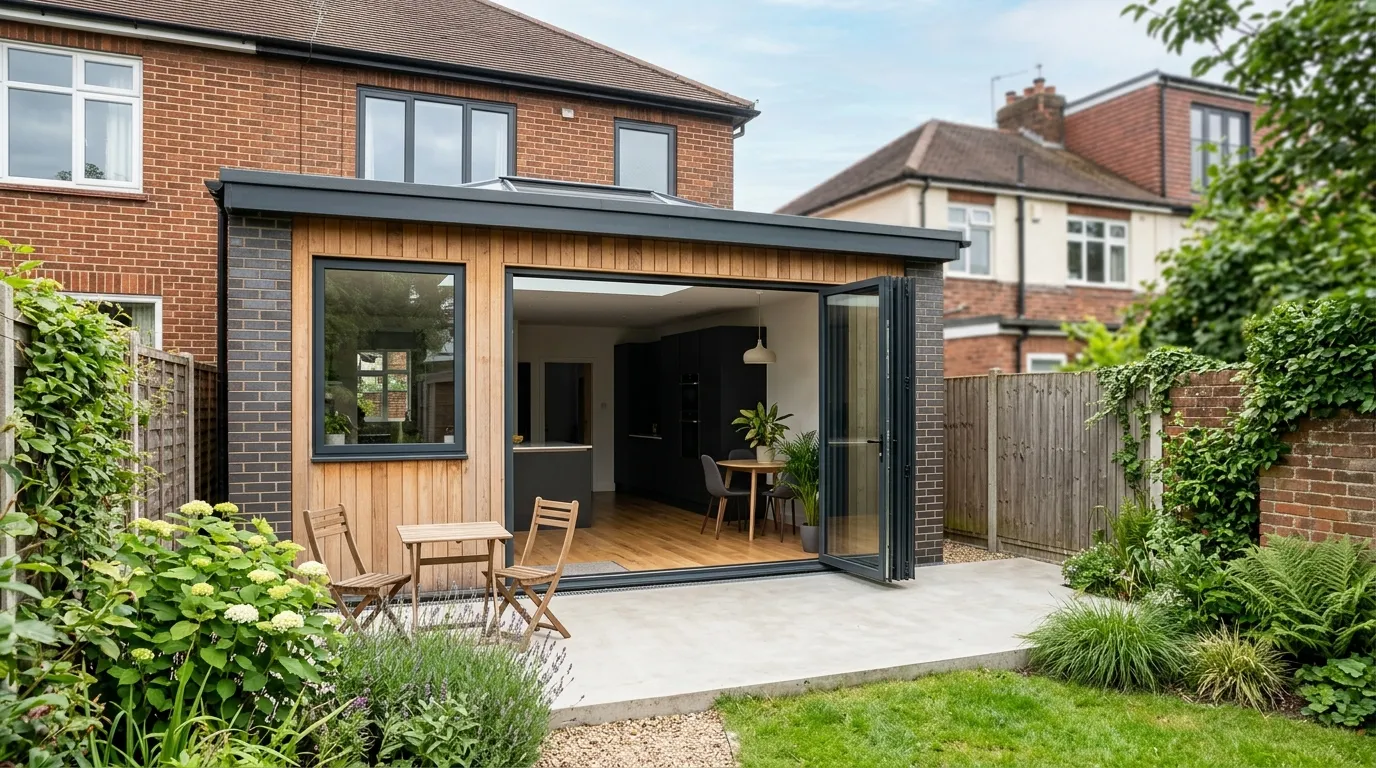
Do You Need Planning Permission for an Extension? Permitted Development Limits Explained
Do I need planning permission for an extension? Often no, thanks to permitted development. Here are the exact UK size limits, rules and exceptions.
Read entry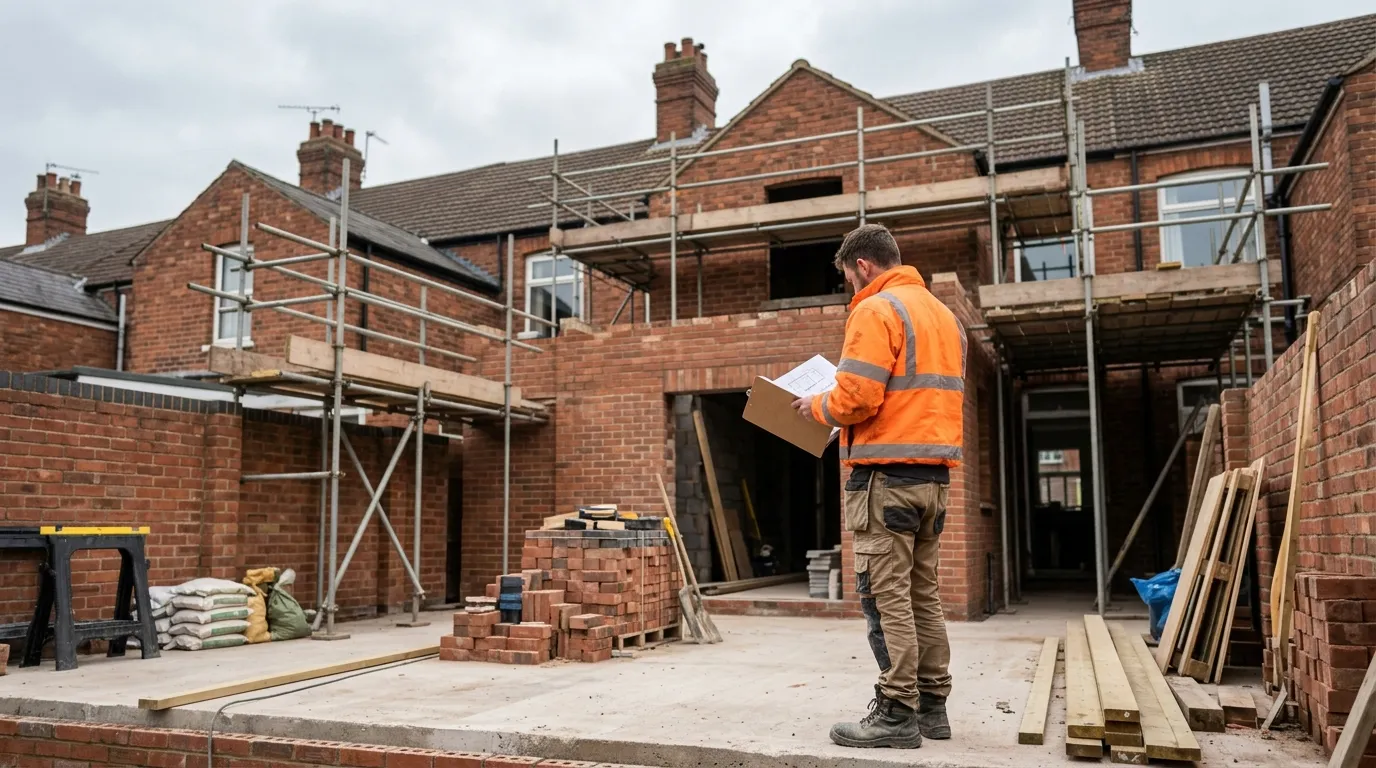
How to Serve a Party Wall Notice: Step-by-Step Template and Timeline
How to serve a party wall notice in the UK: the steps, a free template, exact notice periods and the timeline from service to award.
Read entry
Planning Permission Refused: Your Options for Appeal and Resubmission
Planning permission refused? What to do next: read the refusal reasons, fix and resubmit a revised scheme, or appeal to the Planning Inspectorate.
Read entry