How Much Does a Loft Conversion Cost in the UK?
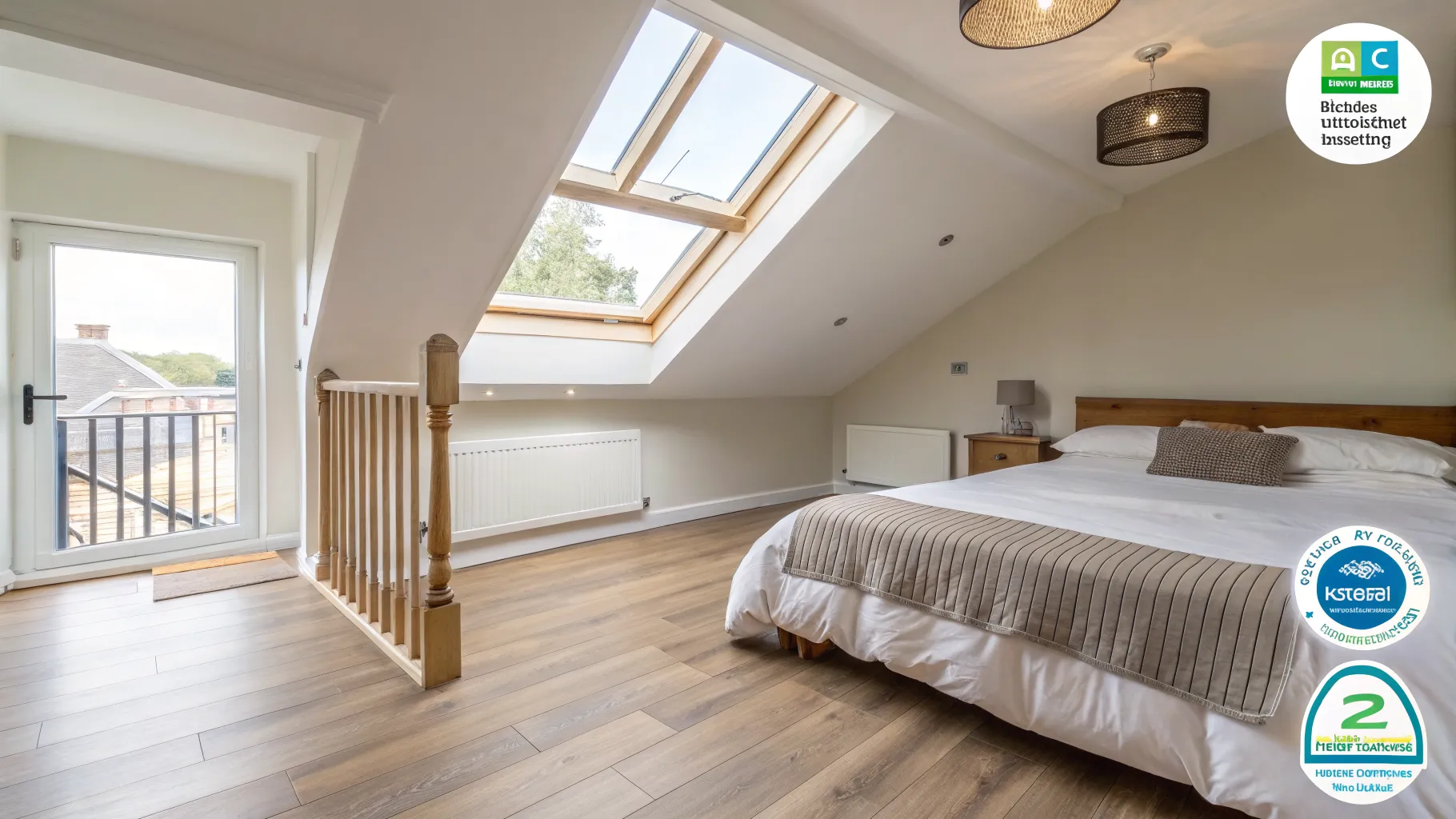
The loft conversion cost most UK homeowners face in 2026 falls between roughly £35,000 and £80,000, but that spread is wide for a reason: the type of conversion changes the price more than almost anything else. A simple rooflight job and a full mansard are different builds, not different sizes of the same build. This guide breaks the cost down by type, adds the extras people forget, and explains what pushes the figure up.
These are indicative ranges to help you sanity-check a quote. No builder prices a loft without seeing your roof, so treat the numbers as a guide, not a substitute for a site visit.
Loft conversion cost by type
Here is what the main types typically cost in 2026 for a standard house outside London.
| Conversion type | Typical cost range |
|---|---|
| Rooflight / Velux (no roofline change) | £20,000 to £40,000 |
| Rear dormer (most popular) | £40,000 to £70,000 |
| Hip-to-gable | £45,000 to £65,000 |
| Hip-to-gable plus rear dormer | £70,000 to £80,000 |
| L-shaped dormer | £55,000 to £90,000 |
| Mansard (most expensive) | £55,000 to £95,000 |
The pattern is simple: the more you alter the roof structure, the more it costs. A rooflight conversion is cheapest because it keeps the existing roofline and needs no major structural change, just stronger floor joists, insulation, stairs and windows in the existing slope. A mansard rebuilds most of the roof, which is why it sits at the top.
As a rough cross-check, the build-only cost works out at around £2,400 to £4,100 per square metre, before finishes like flooring, windows and bathroom fittings.
The extras people forget to budget for
The headline build price is rarely the final number. The common additions:
- An en-suite typically adds £8,000 to £15,000, and it is the single most popular upgrade.
- Professional fees for an architect or designer, structural engineer and party wall surveyor commonly add £6,000 to £15,000 across the project.
- Building Control fees usually run £600 to £900 for the inspections and sign-off.
- Part L insulation to meet current energy standards adds roughly £800 to £1,800 to the build, but improves your EPC rating.
Add these up and a “£45,000” dormer can comfortably become £55,000 to £60,000 all-in. Our extension cost calculator helps you build a fuller picture, and the single-storey extension cost guide is a useful comparison if you are weighing a loft against going outwards.
What pushes the cost up
Three things move the figure most.
Region. London and the South East typically cost 20 to 40 per cent more than the north of the UK for the same job, mostly down to labour and access.
Access and structure. A cramped terrace with no rear access, a low ridge height, or a roof that needs significant strengthening all add cost. Head height is the first thing a good builder checks, because a loft that is too shallow may need the roof raising, which is a much bigger job.
Specification. A basic conversion and a high-end one with bespoke joinery, a luxury bathroom and lots of glazing can differ by tens of thousands for the same footprint.
Planning and building regs
Many loft conversions fall under permitted development, so you may not need full planning permission, but you will almost certainly want a Lawful Development Certificate to prove it. Our guide to permitted development rights explains when that applies. A householder planning application currently carries a fee of £258 in England, and a certificate of lawful development £103.
Every loft conversion, without exception, needs Building Regulations approval. Building Control checks the structure, fire safety and escape routes, insulation and ventilation. Our pages on loft conversion building regulations and Part L cover what that involves. The official fee schedules and rules are on the Planning Portal.
How long does it take?
The build itself for a typical dormer is usually a few weeks to a couple of months on site. The bigger variable is the paperwork: a householder planning decision is meant to take eight weeks but can stretch with local backlogs, and a Lawful Development Certificate takes around six to eight weeks. Factor the approvals in before you book a builder, not after.
Keeping the cost sensible
Get two or three detailed quotes for the same specification, and make sure each includes the same items, because one builder’s “£45,000” may exclude what another’s includes. Decide on the en-suite and finishes before you sign, since changes mid-build are where budgets blow out. And be realistic about head height first of all: it is the one thing that can turn a straightforward conversion into a major structural job.
Frequently asked questions
How much does a loft conversion cost in the UK in 2026? Most loft conversions cost between £35,000 and £80,000 depending on type. A rooflight conversion is cheapest at £20,000 to £40,000, a rear dormer (the most popular) runs £40,000 to £70,000, and a mansard, the most expensive, costs £55,000 to £95,000. London adds 20 to 40 per cent.
Which type of loft conversion is cheapest? A rooflight or Velux conversion is the cheapest, typically £20,000 to £40,000, because it keeps the existing roofline and needs no major structural change. It only works where you already have enough head height, since it does not raise the roof.
Do I need planning permission for a loft conversion? Many loft conversions fall under permitted development and do not need full planning permission, though a mansard or anything altering the roof significantly often does. Even under permitted development, it is wise to get a Lawful Development Certificate. Building Regulations approval is always required.
What hidden costs should I budget for? Beyond the build, budget for an en-suite (£8,000 to £15,000), professional fees (£6,000 to £15,000), Building Control fees (£600 to £900) and Part L insulation upgrades (£800 to £1,800). These can add £15,000 or more to the headline build price.
How long does a loft conversion take? The on-site build for a typical dormer is usually a few weeks to around two months. Approvals add to the timeline: a planning decision is meant to take eight weeks, and a Lawful Development Certificate around six to eight weeks, so plan the paperwork before booking the build.
More from Sareth Build Journal
Keep reading
Do You Need Planning Permission for an Extension? Permitted Development Limits Explained
Do I need planning permission for an extension? Often no, thanks to permitted development. Here are the exact UK size limits, rules and exceptions.
Read entry
How to Serve a Party Wall Notice: Step-by-Step Template and Timeline
How to serve a party wall notice in the UK: the steps, a free template, exact notice periods and the timeline from service to award.
Read entry
Planning Permission Refused: Your Options for Appeal and Resubmission
Planning permission refused? What to do next: read the refusal reasons, fix and resubmit a revised scheme, or appeal to the Planning Inspectorate.
Read entry